Shower drain clogged:
A clogged shower drain can quickly turn a relaxing shower into a frustrating experience. Whether the water is draining slowly, backing up around your feet, or producing unpleasant odors, a blockage should not be ignored.
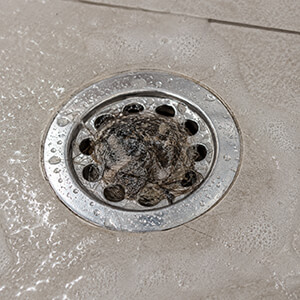
In most cases, a clogged shower drain is caused by a buildup of hair, soap scum, grease, mineral deposits, or other debris inside the pipes. While some blockages can be cleared using simple DIY methods, others may require professional drain cleaning to fully restore proper drainage.
Understanding the cause of the problem is the first step toward finding the right solution. In this guide, you will learn what causes a shower drain to clog, the most common warning signs, effective ways to clear the blockage, and when it may be time to call a professional plumber.
- A clogged shower drain:
- What causes a clogged shower drain:
- Symptoms of a clogged shower drain:
- How to Fix a Clogged Shower Drain:
- When DIY Doesn’t Work
- Common Plumbing Problems Behind a Clogged Shower Drain
- Clogged Shower Drain in Different Areas of the Home
- When to Call a Plumber for a Clogged Shower Drain
- FAQ – Shower Drain Clogged
- Can I still use my shower if the shower drain is clogged?
- How quickly should a clogged shower drain be cleared?
- Can you also come in the evening to unblock a shower drain?
- My shower drain gets clogged frequently. Can you find the cause and fix it?
- My shower is very small. Can you still carry out the drain unblocking work?
- I accidentally washed construction debris down the shower drain. Can this be fixed?
- Contact RRD Service & Installatie Today
A clogged shower drain:
A clogged shower drain is one of the most common plumbing problems homeowners face. Every day, hair, soap residue, body oils, and other debris are washed down the drain. Over time, these materials can build up inside the pipes and restrict the flow of water.
As the blockage grows, you may notice that water drains more slowly than usual. If the problem is ignored, the drain can eventually become completely blocked, leaving standing water in your shower.
Some shower drain clogs can be cleared using simple DIY methods, while more severe blockages may require professional drain cleaning equipment. Identifying the problem early can often prevent a minor blockage from turning into a major plumbing issue.
What causes a clogged shower drain:
A shower drain can become clogged for several different reasons. In many cases, the blockage develops gradually as materials build up inside the pipes over time. In other situations, a clog can occur suddenly after a large amount of debris enters the drain.
The most common causes of a clogged shower drain include:
- Hair
- Vomit
- Mineral deposits
- Oatmeal
- Grout
Each type of blockage can affect your drain differently and may require a specific method to remove it. Understanding the cause of the clog can help you choose the most effective solution and prevent future drainage problems.
Below, we explain how each of these common causes can lead to a clogged shower drain.
Clogged shower drain from hair:
The most common cause of a clogged shower drain is hair. Every time you take a shower, loose hair from your head and body is washed down the drain.
Over time, hair can combine with soap residue, body oils, and other debris. These materials stick to the inside of the pipes and gradually form a blockage that restricts the flow of water.
Although it is almost impossible to prevent all hair from entering the drain, most shower drains are fitted with a cover designed to catch larger strands before they reach the pipes.
Regularly removing trapped hair from the drain cover can significantly reduce the risk of blockages and help keep your shower draining properly.
If a shower drain becomes clogged with hair, the blockage usually needs to be physically removed. Because hair does not dissolve easily, it often has to be pulled out using a drain snake, drain cleaning tool, or by hand.
Shower clogged with vomit:
Yes, vomit can clog a shower drain. Although it may seem harmless once it is rinsed away with water, vomit often contains partially digested food particles and other solids that can become trapped inside the drain.
In some cases, these materials can combine with existing debris, such as hair and soap residue, creating a blockage that restricts the flow of water. This is especially likely if the shower drain is already partially clogged.
If the blockage is severe, water may begin to drain slowly or back up into the shower. For this reason, it is generally better to use a toilet rather than a shower drain if you need to vomit.
If your shower becomes clogged after vomiting, removing the blockage as soon as possible can help prevent further drainage problems.
Shower drain clogged with mineral deposits:
Mineral deposits are another common cause of a clogged shower drain, especially in areas with hard water. As water flows through the drain, minerals such as calcium and magnesium can gradually build up on the inside of the pipes.
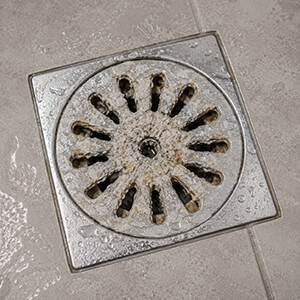
Over time, these deposits can combine with soap residue, hair, and other debris, reducing the flow of water and increasing the risk of a blockage.
If hard water is a problem in your area, mineral buildup can develop more quickly and make existing clogs worse.
In many cases, vinegar can help dissolve light mineral deposits. Pouring vinegar down the drain and allowing it to sit for several hours may help loosen the buildup. However, severe blockages may require mechanical cleaning or professional drain clearing.
Shower drain clogged with oatmeal:
Although it is uncommon, oatmeal can contribute to a clogged shower drain. Oatmeal absorbs water and becomes thick and sticky, making it more likely to cling to the inside of pipes.
If a significant amount of oatmeal enters the drain, it can combine with hair, soap residue, and other debris already present in the plumbing system. Over time, this buildup may restrict water flow and create a blockage.
Because oatmeal expands when it absorbs moisture, the clog can become larger than expected and may be more difficult to remove than a typical hair blockage.
If your shower drain becomes clogged after oatmeal enters the drain, it is important to clear the blockage as soon as possible to prevent further drainage problems.
Shower clogged grout:
Grout can cause serious shower drain blockages if it enters the plumbing system during tiling or construction work. Unlike hair or soap residue, grout can harden inside the pipes, making it much more difficult to remove.
Even small amounts of grout can stick to the inside of the drain and gradually restrict the flow of water. Over time, additional debris may become trapped around the hardened material, creating a larger blockage.
In severe cases, grout buildup can damage the plumbing system and may require professional drain cleaning or pipe replacement.
To prevent this problem, avoid washing grout, cement, or similar construction materials down the shower drain. Any excess material should be disposed of properly before showering.
Symptoms of a clogged shower drain:
Shower always clogged:
If your shower drain keeps clogging, the problem can quickly become frustrating. Even after clearing the blockage, you may find that the drain becomes clogged again after a short period of time.
One of the most common reasons for recurring blockages is a continuous buildup of hair, soap residue, and other debris. Activities such as brushing your hair in the shower or excessive hair shedding can increase the amount of material entering the drain.
In some homes, the problem may also be related to the plumbing system itself. Older or narrow drain pipes can make it easier for debris to accumulate and restrict the flow of water.
A simple way to reduce the risk of recurring clogs is to install a drain trap or hair catcher over the drain opening. These devices help prevent hair and other debris from entering the pipes, reducing the likelihood of future blockages.
If your shower drain continues to clog despite regular cleaning, it may be worth having the drain professionally inspected to identify any underlying plumbing issues.
Shower suddenly clogged:
A shower drain can sometimes appear to become clogged suddenly, even if it seemed to be draining normally before. In many cases, the blockage has actually been building up over time without obvious warning signs.
Hair, soap residue, mineral deposits, and other debris can gradually accumulate inside the drain. As the buildup grows, water may continue to drain normally until the remaining space inside the pipe becomes too small. At that point, the drain can appear to clog almost overnight.
A sudden blockage can also occur if a larger object or solid material enters the drain and becomes lodged inside the pipe.
If your shower suddenly becomes clogged, it is important to address the problem as soon as possible. Ignoring a blockage can lead to standing water, unpleasant odors, and more serious drainage issues.
Shower clogged and smells:
If your shower drain is clogged and producing unpleasant odors, there may be more than just a simple blockage inside the pipe. As hair, soap residue, and other debris accumulate, bacteria can begin to grow and create foul smells.
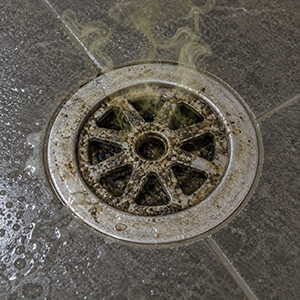
In some cases, standing water trapped inside the drain can make the odor even worse. The longer the blockage remains, the stronger the smell may become.
A clogged shower drain combined with bad odors can also indicate a problem with the plumbing vent system. Drain vents help sewer gases escape safely from the plumbing system. If a vent becomes blocked, drainage problems and unpleasant smells may occur.
If you notice bad odors, slow drainage, or bubbling water around the drain, it may be worth having both the drain and the venting system inspected.
Shower clogged standing water:
Standing water in a shower is often a sign of a serious blockage in the drain. When water has nowhere to go, it begins to collect in the shower tray instead of flowing through the plumbing system.
This is a problem that should not be ignored. The longer standing water remains, the greater the risk of unpleasant odors, bacterial growth, and further drainage issues.
One of the first methods you can try is using a plunger. In some cases, the pressure created by the plunger is enough to loosen the blockage and restore normal water flow.
However, even if the standing water disappears, the clog may not be completely removed. Hair, soap residue, or other debris can remain inside the pipe and cause the drain to clog again in the future.
After clearing the blockage, flushing the drain with hot water can help remove any remaining residue and improve drainage.
How to Fix a Clogged Shower Drain:
A clogged shower drain should be addressed as soon as possible. While some blockages may start as a minor inconvenience, they can quickly develop into a more serious drainage problem if left untreated.
The good news is that many shower drain clogs can be cleared using simple DIY methods and basic tools. The sooner you identify and remove the blockage, the easier it is usually to restore proper drainage.
However, not every clog can be fixed without professional assistance. If DIY methods fail or the blockage keeps returning, a more serious plumbing issue may be present.
Below, we explain several effective ways to fix a clogged shower drain, from natural remedies to professional drain cleaning solutions.
DIY Solutions
Clogged shower drain natural remedy:
If you prefer to avoid harsh chemicals, there are several natural methods that may help clear a clogged shower drain. These solutions are often effective for minor blockages caused by hair, soap residue, and other everyday debris.
Some of the most common natural remedies include:
- Baking soda and vinegar
- A plunger
- A drain snake
While these methods may not work for every blockage, they are often a good first step before considering stronger chemical drain cleaners or professional assistance.
Below, we explain how to use each of these methods effectively.
Clogged shower drain baking soda and vinegar:
Baking soda and vinegar can sometimes help clear a clogged shower drain, particularly when the blockage is caused by soap residue, grease, or minor debris buildup.
Start by pouring approximately two tablespoons of baking soda into the drain. Then slowly add about half a pint of vinegar. As the two substances react, they create a fizzing action that may help loosen material stuck to the inside of the pipes.
For best results, allow the mixture to sit in the drain for several hours or overnight. Afterwards, carefully flush the drain with hot water to help wash away any loosened residue.
While this method can improve drainage in some situations, it is not effective for every type of blockage. For example, large hair clogs often need to be physically removed using a drain snake or similar tool.
Even if the blockage is not completely cleared, baking soda and vinegar can be a simple first step before trying more advanced drain cleaning methods.
Shower drain clogged plunger:
A plunger can be an effective tool for clearing a clogged shower drain, especially when the blockage is located close to the drain opening.
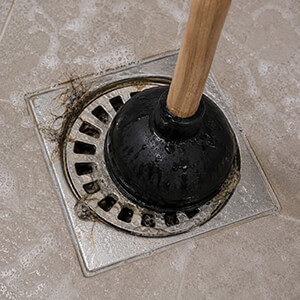
For best results, there should be some standing water in the shower. The water helps create the pressure needed for the plunger to loosen and dislodge the blockage.
Place the plunger firmly over the drain and push down before pulling up again. Repeat this motion several times to create suction and pressure inside the drain.
In many cases, this is enough to break up the clog and restore normal water flow. Once the drain begins to clear, flush it with hot water to help remove any remaining residue.
While a plunger can be effective for minor blockages, more stubborn clogs may require a drain snake or professional drain cleaning services.
Clogged shower drain chemicals:
Chemical drain cleaners are a popular option for homeowners looking for a quick solution to a clogged shower drain. Many products are designed to dissolve grease, soap residue, and other materials that may be restricting water flow.
However, chemical drain cleaners do not work for every type of blockage. For example, they are often less effective against large hair clogs or blockages located deeper within the plumbing system.
It is also important to use these products with caution. Strong drain cleaning chemicals can be harmful to your skin, eyes, and respiratory system if they are not handled properly.
Always follow the manufacturer’s instructions carefully and wear appropriate protective equipment, such as gloves. If the drain remains clogged after using a chemical cleaner, a drain snake or professional drain cleaning service may be required.
Clean a clogged shower drain:
One of the most effective ways to clear a clogged shower drain is to physically remove the blockage using a drain snake. This method is particularly useful for clogs caused by hair, soap residue, and other debris that has become trapped inside the pipe.
To access the drain, you may first need to remove the drain cover. Depending on the type of cover, this may require loosening a screw with a screwdriver.
Once the drain opening is accessible, carefully insert the drain snake into the pipe and rotate it as you move it deeper into the drain. When you feel resistance, slowly pull the tool back out to remove the blockage.
It is important to work carefully and avoid using excessive force. Aggressive movements can potentially damage older plumbing components or loosen pipe connections.
After removing the clog, flush the drain with hot water to help clear away any remaining residue and restore normal water flow.
When DIY Doesn’t Work
Clogged shower liquid plumber didn’t work:
If a liquid drain cleaner did not clear your clogged shower drain, there are several possible reasons.
In some cases, the product may not have been used according to the manufacturer’s instructions. Using too little product or not allowing enough time for it to work can reduce its effectiveness.
However, a more common reason is that the blockage is too severe for a chemical drain cleaner to remove. Large hair clogs, mineral buildup, or debris located deeper inside the plumbing system often require mechanical removal.
If the drain remains clogged after using a liquid drain cleaner, the next step is usually to try a drain snake. If that does not solve the problem, professional drain cleaning may be required.
Shower clogged after snaking:
If your shower drain is still clogged after using a drain snake, the blockage may be located deeper inside the plumbing system than you can reach with standard DIY equipment.
In some cases, the snake may only remove part of the blockage, leaving enough debris behind to continue restricting the flow of water. Other times, the problem may be caused by mineral buildup, damaged pipes, or a blockage further down the drain line.
When a shower remains clogged after snaking, there are usually few DIY options left to try. At this point, a professional plumber can inspect the drain, identify the exact cause of the problem, and use specialized equipment to restore proper drainage.
Common Plumbing Problems Behind a Clogged Shower Drain
Shower trap clogged:
A shower trap is designed to catch hair, soap residue, and other debris before they can travel deeper into the plumbing system. By trapping these materials near the drain opening, it helps reduce the risk of more serious blockages further down the pipe.
Over time, however, the trap itself can become clogged. When this happens, you may notice that water drains more slowly than usual or begins to collect around the drain.
In many cases, cleaning the shower trap is a simple solution. Remove any visible hair and debris, then rinse the area with hot water to help clear away remaining residue.
If the drain continues to empty slowly after cleaning the trap, the blockage may be located deeper inside the plumbing system and require additional drain cleaning.
Shower vent clogged:
A clogged plumbing vent can sometimes be the hidden cause of shower drainage problems. Plumbing vents allow air to enter the drainage system, helping water flow smoothly through the pipes.
When a vent becomes blocked by leaves, debris, bird nests, or other obstructions, the drainage system may not function properly. As a result, you may notice slow drainage, gurgling sounds, air bubbles, or unpleasant odors coming from the shower drain.
In many homes, the plumbing vent extends through the roof. Clearing a blockage often requires accessing the roof and removing the obstruction from the vent pipe.
Because working at height can be dangerous and specialized equipment may be required, many homeowners choose to have a professional plumber inspect and clear a blocked vent.
Once the vent is properly cleared, normal drainage and airflow within the plumbing system can usually be restored.
Clogged shower drain old pipes:
Older plumbing pipes can contribute to recurring shower drain problems. Over time, pipes may corrode, develop rough interior surfaces, or accumulate years of mineral deposits and debris.
As the inside of the pipe becomes more restricted, hair, soap residue, and other materials are more likely to become trapped, increasing the risk of frequent blockages.
Older pipes may also be more vulnerable to leaks, cracks, and other forms of damage. For this reason, extra care should be taken when using drain cleaning tools such as a drain snake. Excessive force can sometimes damage aging plumbing components.
If your shower drain clogs repeatedly and the plumbing system is several decades old, it may be worth having the pipes professionally inspected. In some cases, repairing or replacing sections of old pipe can provide a long-term solution to ongoing drainage problems.
Clogged shower drain replacement:
If you are dealing with recurring shower drain problems, replacing part of the drainage system may eventually become the most cost-effective solution.
While drain replacement is a larger investment than routine drain cleaning, it can eliminate ongoing issues caused by severely damaged, corroded, or outdated pipes. In many cases, replacing old plumbing components can significantly improve drainage performance and reduce the risk of future blockages.
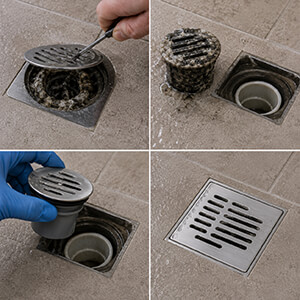
Drain replacement is typically not a DIY project. Accessing the plumbing system may require removing fixtures, opening walls, or lifting sections of flooring, depending on the layout of the bathroom.
If your shower drain clogs frequently despite repeated cleaning and repairs, a professional inspection can help determine whether drain replacement is the best long-term solution.
Clogged Shower Drain in Different Areas of the Home
Clogged shower drain upstairs:
If your upstairs shower drain is clogged while drains on the lower floors are working normally, the blockage may be limited to the branch drain serving the upstairs bathroom.
This is often a positive sign, as it suggests that the main sewer line is still functioning properly. In many cases, the clog is located somewhere between the shower drain and the point where the branch line connects to the main drainage system.
Common causes include hair buildup, soap residue, and other debris that has accumulated over time inside the drain pipe.
If you also notice gurgling sounds, air bubbles, or slow drainage in nearby fixtures, the problem may be related to a blocked plumbing vent rather than a simple drain clog.
Identifying the exact location of the blockage is the first step toward choosing the most effective solution.
Shower basement clogged:
A clogged shower drain in a basement can be particularly frustrating because basement plumbing systems are often more vulnerable to drainage problems and water backups.
When a blockage occurs, water may drain very slowly or collect around the shower drain. In some cases, a severe blockage can increase the risk of water backing up into the shower area.
Because basement bathrooms are typically located at the lowest point of the home, drainage issues should be addressed as soon as possible to prevent further plumbing problems.
If clearing the shower drain does not resolve the issue, the blockage may be located deeper within the drainage system. A professional inspection can help identify the cause and determine the most effective solution.
Regular drain maintenance can help reduce the risk of recurring basement shower drain blockages and keep the plumbing system functioning properly.
When to Call a Plumber for a Clogged Shower Drain
Clogged shower plumber:
While many shower drain clogs can be cleared using DIY methods, some blockages require professional attention. If your drain remains clogged after using a plunger, drain snake, or drain cleaner, there may be a more serious problem deeper within the plumbing system.
You should consider calling a plumber if:
- The shower drain keeps clogging repeatedly.
- Water is backing up into the shower.
- Multiple drains in the home are draining slowly.
- Unpleasant odors continue to come from the drain.
- DIY methods have failed to clear the blockage.
A professional plumber has the tools and experience to identify the cause of the problem and restore proper drainage safely and effectively.
If you are unable to clear the blockage yourself, professional drain cleaning can often save time, prevent further damage, and provide a long-term solution.
FAQ – Shower Drain Clogged
Can I still use my shower if the shower drain is clogged?
It depends on the severity of the blockage. If the water is still draining slowly, you may be able to use the shower temporarily. However, continuing to use a partially blocked drain can make the clog worse. If water is backing up or standing in the shower, it is best to stop using it until the blockage has been cleared.
How quickly should a clogged shower drain be cleared?
A clogged shower drain should be addressed as soon as possible. What starts as a minor drainage problem can quickly develop into a complete blockage. Delaying repairs may also increase the risk of unpleasant odors, standing water, and damage to the plumbing system.
Can you also come in the evening to unblock a shower drain?
Yes. Depending on availability, we may be able to offer evening appointments for urgent drain unblocking services. If your shower drain is completely blocked or causing significant inconvenience, contact us and we will discuss the available options.
My shower drain gets clogged frequently. Can you find the cause and fix it?
Yes. Recurring blockages are often a sign of an underlying problem, such as excessive hair buildup, mineral deposits, old pipework, or a partially blocked drain line. We can inspect the drainage system, identify the cause of the problem, and recommend the most effective long-term solution.
My shower is very small. Can you still carry out the drain unblocking work?
In most cases, yes. Professional drain cleaning equipment can usually be used even in small bathrooms and compact shower areas. Limited space rarely prevents us from carrying out the necessary work to clear a blocked shower drain.
I accidentally washed construction debris down the shower drain. Can this be fixed?
In many cases, yes. However, construction materials such as grout, cement, plaster, and tile adhesive can be more difficult to remove than ordinary blockages. The sooner the problem is addressed, the greater the chance of clearing the drain without causing further damage to the plumbing system.
Contact RRD Service & Installatie Today
Still dealing with a clogged shower drain? Our experienced plumbers are ready to help.
Whether your shower drain is draining slowly, completely blocked, or causing unpleasant odors, we can identify the cause and provide an effective solution.
If DIY methods have not solved the problem, do not hesitate to contact RRD Service & Installatie. We offer fast and professional drain unblocking services and are happy to answer any questions you may have.